
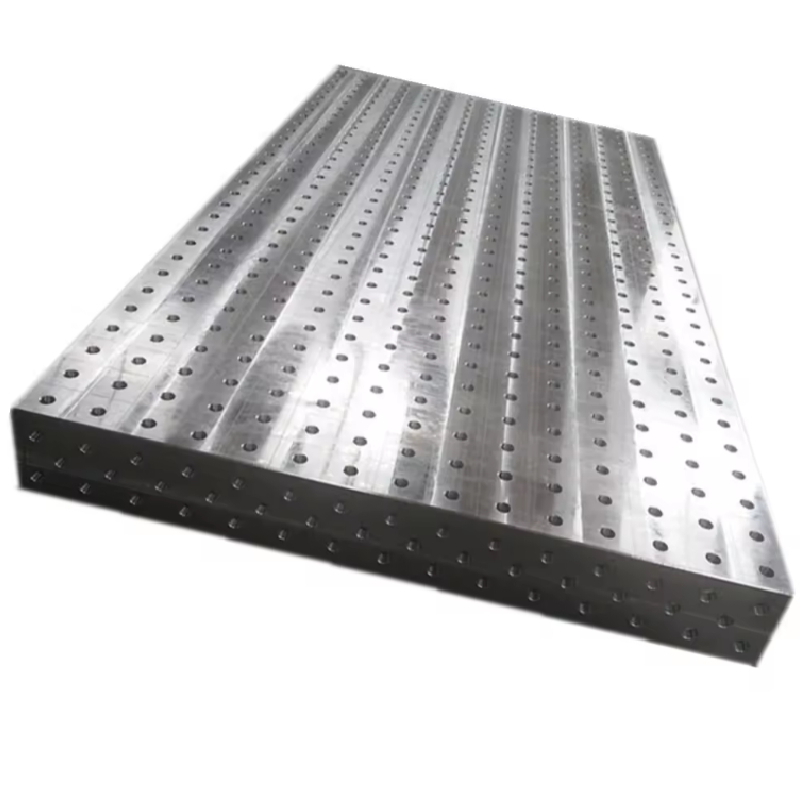
5mm tinted glass price
Water valves are essential components in various plumbing systems, controlling the flow of water in residential, commercial, and industrial applications. These valves come in several types, each serving specific functions and offering different advantages. Understanding the various types of water valves is crucial for efficient plumbing design and maintenance. One of the most common types of water valves is the gate valve. This valve operates like a gate that lifts to allow water flow and descends to block it. Gate valves are primarily used in applications where a straight-line flow of water and minimal pressure loss are required. They are ideal for on/off control but are not recommended for throttling applications since partial opening can cause erosion over time. . Then we have the ball valve, known for its durability and ability to provide a tight seal. The valve uses a spherical disc that rotates to control water flow. Ball valves are excellent for quick shut-off and are widely used in various applications, including plumbing, heating, and gas services. Their straightforward design and reliability make them a popular choice among professionals. water valve types The check valve is another critical type designed to prevent backflow in the system. These valves allow water to flow in one direction only, ensuring that the system remains pressurized and preventing the risk of contamination from backflow. They are commonly used in water supply systems and pumps to maintain efficiency and safety. For applications requiring automatic control, solenoid valves offer an effective solution. These electrically operated valves can be programmed to open or close based on specific signals, making them essential in automated irrigation systems and appliances. Lastly, pressure relief valves play a crucial role in safeguarding plumbing systems. These valves automatically release excess pressure to prevent pipeline damage, ensuring the system operates safely and efficiently. In conclusion, selecting the right water valve type depends on the specific needs of the plumbing system. Each type—gate, globe, ball, check, solenoid, and pressure relief—comes with unique features that serve different functions. Understanding these valves allows for more efficient water management and contributes to the longevity of plumbing installations.
about
5mm tinted glass price
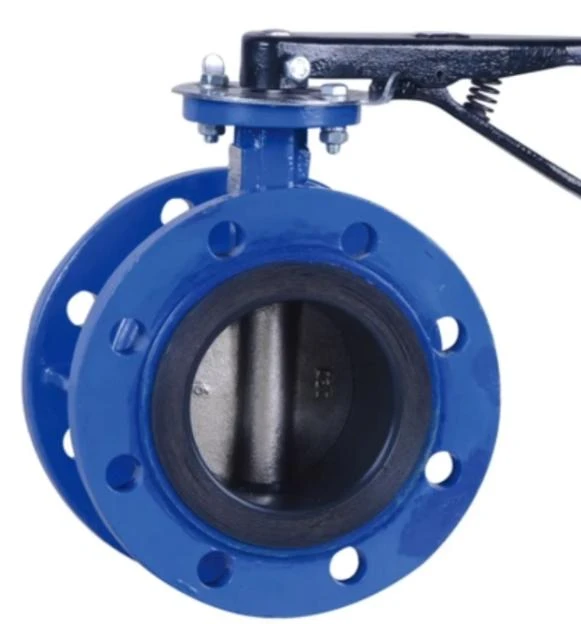
Understanding the 8% Butterfly Valve Function and Importance in Fluid Control Butterfly valves are essential components in various industrial applications, servicing a multitude of sectors, including water treatment, chemical processing, and HVAC systems. Among the various designs and specifications of butterfly valves, the term 8% butterfly valve often refers to a specific torque requirement or capacity in operational functionality. Understanding the intricacies of such valves can significantly enhance efficiency and reliability in fluid control systems. What is a Butterfly Valve? A butterfly valve is a quarter-turn valve that uses a rotating disc to control the flow of fluid. The disc is mounted on a shaft, and when the valve is turned 90 degrees, the disc either opens or closes the flow path. This mechanism allows for quick operation and makes butterfly valves an ideal choice in applications where space is limited and efficiency is crucial. The Significance of the 8% Capacity The term 8% butterfly valve pertains to a design specification that indicates the valve’s ability to handle certain flow rates or pressures effectively. This percentage often relates to the percentage of the maximum flow capacity that can be controlled or regulated by the valve without incurring excessive cavitation or loss of pressure. For instance, if a valve is rated for a maximum flow capacity and is optimized for 8% control performance, it means that it can manage flow rates that are 8% of its full capacity under specific conditions. The 8% butterfly valve is particularly useful in applications where precise control of large volumes is necessary. Industries that require regulation of fluids in variable conditions, such as power plants, food processing units, and oil and gas operations, benefit from such valves. The proportionate arrangement enhances performance while ensuring the system operates smoothly within established parameters. Key Benefits of 8% Butterfly Valves 8 butterfly valve 1. Efficient Flow Control One of the primary benefits of an 8% butterfly valve is its capability to control large volumes of fluid efficiently. The quick, quarter-turn operation reduces the time required to open or close the valve, simultaneously optimizing flow rates. 2. Compact Design Butterfly valves are known for their compact construction, making them easier to install and maintain compared to larger valve types. This compactness is a vast advantage in systems with limited space. 3. Durability and Reliability The design of the 8% butterfly valve ensures robust performance over time. These valves are built to withstand various pressure conditions, enhancing their reliability in critical operations. 4. Cost-Effectiveness Given their efficient operation and long lifespan, 8% butterfly valves can be a cost-effective solution for industries looking to minimize operational costs while maintaining high standards of fluid control. Applications of 8% Butterfly Valves The versatility of 8% butterfly valves allows their use across numerous sectors. In water treatment facilities, these valves regulate the flow of water and chemicals essential in purification processes. In the oil and gas industry, they manage the flow of hydrocarbons, ensuring safety and efficiency. Moreover, HVAC systems utilize butterfly valves to maintain air and water flow in heating and cooling systems. Conclusion In conclusion, the 8% butterfly valve plays a vital role in modern fluid control systems. Its design fosters efficient operation, durability, and cost-effectiveness, making it integral to many industrial processes. As industries continue to evolve and demand higher efficiency and reliability, understanding and implementing the appropriate specifications of valves like the 8% butterfly valve becomes increasingly essential. By leveraging such technology, businesses can enhance their operational standards while ensuring safe and effective fluid management.
-

High quality industrial productsagement

High quality industrial products
View Details -

Meet the diverse needs of customers

Meet the diverse needs of customers
View Details -

Strict quality control

Strict quality control
View Details -

Top raw materials

Top raw materials
View Details -

Trusted supplier

Trusted supplier
View Details
Our application

news and information
Válvula de retención de 12 mm para aplicaciones industriales y de fontanería eficientes
Válvula de Retención de 12 mm Importancia y Aplicaciones Las válvulas de retención son dispositivos

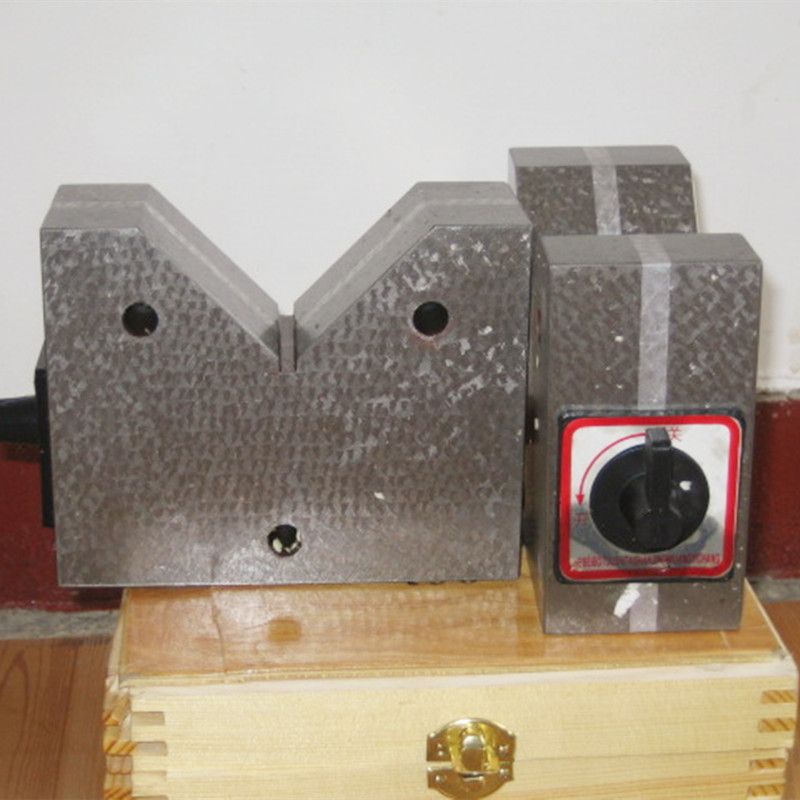
V-Block Technology Revolutionizing Manufacturing Precision and Efficiency
The Paradox of V Block V Block Navigating the Dual Realities of Virtual and Physical Worlds In the

Verkauf von parallelen Linealen für präzises Messen und Zeichnen
Parallel Lineale Präzision und Vielseitigkeit für jeden Bedarf Wenn es um präzises Zeichnen, Skalier
 English